







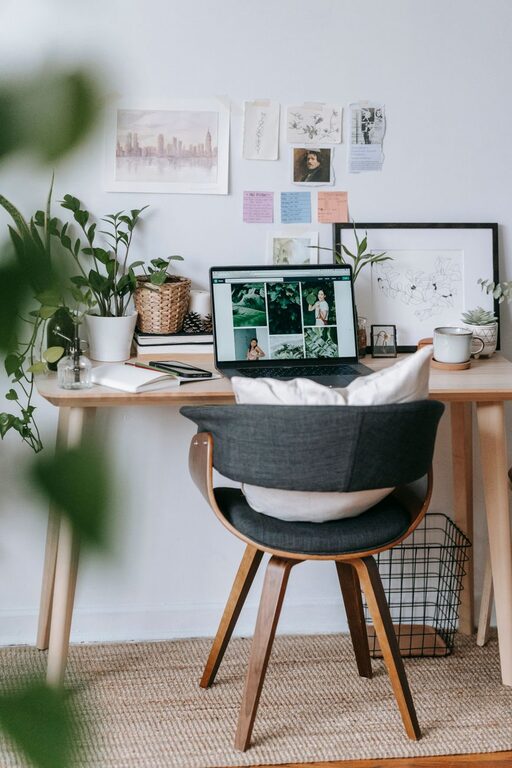
Creating a home office that feels both cozy and productive is essential for anyone working remotely or spending considerable time on personal projects. A well-designed workspace can improve focus, reduce stress, and make work hours more enjoyable. In this post, we’ll explore practical tips to build a home office that balances comfort with efficiency, regardless of your space or budget.
Choose the Right Location
Selecting the right spot for your home office sets the foundation for your work environment. Ideally, choose a quiet area with minimal distractions. If you can, pick a room with natural light—it helps keep you energized and reduces eye strain.
Consider these factors:
– Privacy: Find a location where interruptions are limited, especially if you share your home with others.
– Lighting: Natural light is best, but supplement with adjustable desk lamps if needed.
– Space: Ensure there’s enough room for your desk, chair, and any equipment you need.
If space is limited, consider multi-functional areas like a nook or a corner of your living room, but try to visually separate your work zone with rugs or room dividers.
Invest in Comfortable Furniture
Your furniture plays a big role in how cozy and productive your office feels. Comfort is key to preventing fatigue and maintaining focus.
Essentials include:
– Ergonomic chair: Look for adjustable height, good lumbar support, and cushioning.
– Desk: Choose a surface large enough for your computer, documents, and any other essentials.
– Additional seating: If you have space, a small armchair or ottoman offers a relaxing spot for thinking or reading.
Don’t hesitate to personalize your chair and desk with cushions or mats to maximize comfort.
Keep It Organized
Clutter can be a major productivity killer. A tidy workspace promotes clearer thinking and better focus.
Tips for organization:
– Use storage solutions like shelves, filing cabinets, and drawer organizers.
– Keep frequently used items within easy reach.
– Schedule a quick clean-up at the end of each day to maintain order.
– Use cable management tools to avoid tangled wires.
Labeling boxes or files can also save time when searching for paperwork or supplies.
Incorporate Soothing Colors and Décor
The visual appeal of your office impacts your mood and productivity. Choosing colors and decorations that make you feel calm yet energized can enhance your workday.
Color ideas:
– Soft blues and greens encourage relaxation.
– Warm tones like soft yellows or muted oranges can boost creativity.
Keep decorations simple: a few plants, framed photos, or inspirational quotes can personalize your space without overwhelming it.
Optimize Lighting
Proper lighting reduces eye strain and helps maintain energy levels.
Lighting tips:
– Position your desk near a window for natural light.
– Use a desk lamp with adjustable brightness and color temperature.
– Avoid harsh overhead lighting that can cause glare.
– Consider warm light bulbs for a cozy feel in the evenings.
Balancing natural and artificial light sources creates an inviting and practical workspace.
Add Personal Touches
Personalizing your office can increase comfort and motivation. However, balance is key—too many items may cause distraction.
Ideas include:
– Favorite artwork or photos.
– Inspirational quotes or calendars.
– A small plant or two for freshness.
– A cozy throw blanket or cushion.
Make sure these touches reflect your style without cluttering the area.
Use Technology Wisely
Having the right technology helps you work efficiently without frustration.
Considerations:
– Reliable internet connection.
– Quality headphones or speakers for calls.
– Ergonomic keyboard and mouse options.
– Screen stands or mounts to improve posture.
Keep cords and devices organized to avoid a messy desk.
Establish a Routine and Boundaries
A cozy and productive space alone doesn’t guarantee success. Creating habits around the use of your home office is equally important.
Suggestions:
– Set regular work hours.
– Start each day with a quick tidy-up.
– Use the space only for work during those hours to build mental associations.
– Take breaks outside the office space to refresh.
Consistency helps reinforce productivity and prevents burnout.
Add Comfort with Practical Extras
Small additions can increase comfort and productivity.
Examples:
– A small fan or heater for temperature control.
– A water bottle or coffee mug nearby.
– Noise-canceling headphones if ambient noise is an issue.
– A bulletin board or whiteboard for reminders and ideas.
These items contribute to a pleasant environment tailored to your needs.
—
Designing a cozy and productive home office doesn’t have to be complicated or expensive. By choosing the right location, furnishing it thoughtfully, staying organized, and adding personal, practical touches, you can create a space where work flows smoothly and comfort is a priority. Start small and adjust as you go—your perfect home office is within reach.