





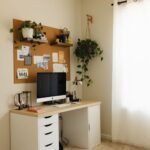



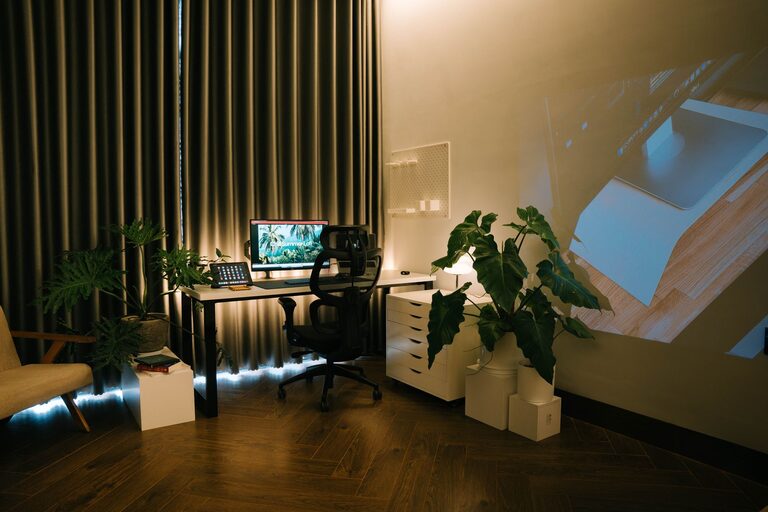
Creating a cozy and inviting home workspace is essential for staying productive and motivated throughout the day. Whether you work from home full-time or occasionally need a quiet spot to get things done, the environment you set up can have a big impact on your focus and well-being. Below, you’ll find practical tips to help you design a workspace that feels comfortable, organized, and inspiring.
Choose the Right Location
Finding the best spot in your home is the first step. Consider these factors:
– Natural Light: A space near a window can lift your mood and reduce eye strain.
– Quietness: Pick a place away from household noise and distractions.
– Space: Ensure there’s enough room for your desk, chair, and storage.
If you don’t have a dedicated room, a corner in a less-used area of your home can work well.
Invest in Comfortable Furniture
Comfort is key for long hours of work. Make sure to:
– Select an Ergonomic Chair: Support your back and promote good posture.
– Use a Suitable Desk: The desk height should allow your elbows to rest at a 90-degree angle.
– Add a Footrest: This small addition can improve circulation and reduce fatigue.
Comfortable furniture helps prevent physical discomfort that can hinder your productivity.
Personalize Your Workspace
Adding a personal touch makes your space feel welcoming:
– Decorate with Plants: Greenery promotes calm and improves air quality.
– Display Inspiring Art or Quotes: Choose pieces that motivate and brighten your day.
– Use Favorite Colors: Incorporate colors that make you feel relaxed or energized.
However, avoid cluttering your space with too many items that can distract.
Optimize Lighting
Good lighting is crucial for reducing eye strain and boosting mood:
– Use Layered Lighting: Combine natural light with soft overhead lighting and a focused desk lamp.
– Choose Warm Light Bulbs: Warm tones create a cozy atmosphere.
– Adjust Brightness: Dimmer switches or adjustable lamps help adapt lighting for different tasks.
Make sure your screen and lighting are positioned to avoid glare.
Organize Efficiently
An organized space helps maintain focus and reduces stress.
– Declutter Regularly: Keep only the essentials on your desk.
– Use Storage Solutions: Drawers, shelves, and organizers keep supplies tidy.
– Label Containers: This makes it easy to find what you need quickly.
– Manage Cords: Use clips or cable sleeves to keep wires neat.
A streamlined setup frees your mind and workspace.
Incorporate Cozy Textures
Textures add warmth and comfort to your space:
– Add a Soft Rug: A rug under your desk enhances comfort and visual appeal.
– Use Cushions or Throws: These add softness and support to your seating.
– Choose Natural Materials: Wood, cotton, or linen create a welcoming feel.
These details make your workspace feel less clinical and more like a home.
Maintain Good Air Quality
Fresh air helps keep you alert and healthy:
– Open Windows Regularly: Allow for ventilation and fresh air flow.
– Add Air-Purifying Plants: Snake plants or peace lilies are great options.
– Use an Air Purifier: Especially helpful if your workspace has poor ventilation.
Breathing clean air supports concentration and well-being.
Set Boundaries Between Work and Rest
Maintaining a work-life balance is easier when your workspace supports it:
– Designate Your Workspace: Avoid working from your bed or couch.
– Create a Routine: Start and end your workday with clear rituals.
– Keep Work Items Contained: Store work materials out of sight when not in use.
These habits help you mentally separate work time from personal time.
Make Technology Work for You
Technology should simplify your work experience:
– Invest in Quality Equipment: Reliable computers and accessories reduce frustration.
– Use a Second Monitor: This can increase productivity.
– Organize Digital Files: Keep your computer desktop clean and files easy to find.
Adjust device settings for comfort, such as screen brightness and font sizes.
—
By applying these tips, you can create a home workspace that is both cozy and inviting, helping you feel comfortable and focused every time you sit down to work. Remember, your workspace should reflect your personal needs and style, making work feel a little more enjoyable every day.